Warsaw: History, Heartbreak, and Hope

The Palace of Culture and Science

I was a bit intrepid coming to a big city after spending time in quaint old towns. I expected all that typically comes with it. The tourist traps, people hawking you, dirty, homeless, needing to hide your wallet in a money belt, and not venturing too far from your hotel. Warsaw was quite the opposite. Over the three days we were here I walked everywhere, sometimes with the group and often by myself and felt completely safe and at ease. Thomasz explained there is a crime measurement used for traveling. Mexico is the highest in the 90’s with New York in the 70’s. Poland is 4. The city is growing as more businesses are moving here because of its strategic location, economic opportunities and quality of life. However, there is a constant reminder everywhere of struggles and resilience of the polish people. The picture above shows an older building with a backdrop of more modern ones. The older building was a gift from Stalin in the 50’s when Poland was under communist rule. They considered tearing it down and kept it up as a reminder that they would never let that happen again.

Walking Through Time – The Royal Way and Old Town

Above are pics of the Warsaw historic Royal Route, a path once reserved for kings and dignitaries.

We strolled through old town and stopped at 11:15 to hear a bugle playing from the clock tower. It happens daily and commemorates the moment the clock on the Castle Tower stopped on September 17, 1939, during the bombing of Warsaw by German planes.

We also had the opportunity to see the changing of the guards at the monument of the unknown soldier. It was created in 1924 to honor those died in WW1. On December, 28 1944 the Germans blew up the Saski Palace where it stood. The building was destroyed, but a fragment of the colonnade over the tomb partially survived. According to an unconfirmed legend, the German sapper did not dare to blow up the grave where the unknown soldier was buried and did not plant explosive charges there.

I decided to find a sidewalk restaurant for a late lunch. Nope did not have pierogi and this time Kielbasa!

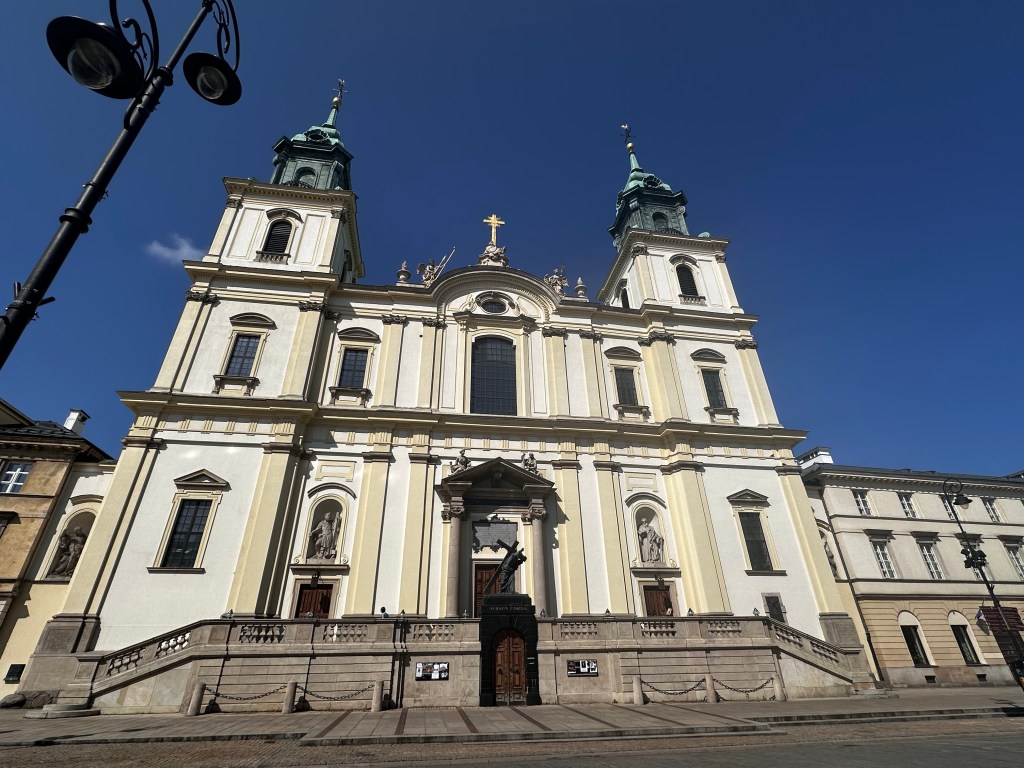
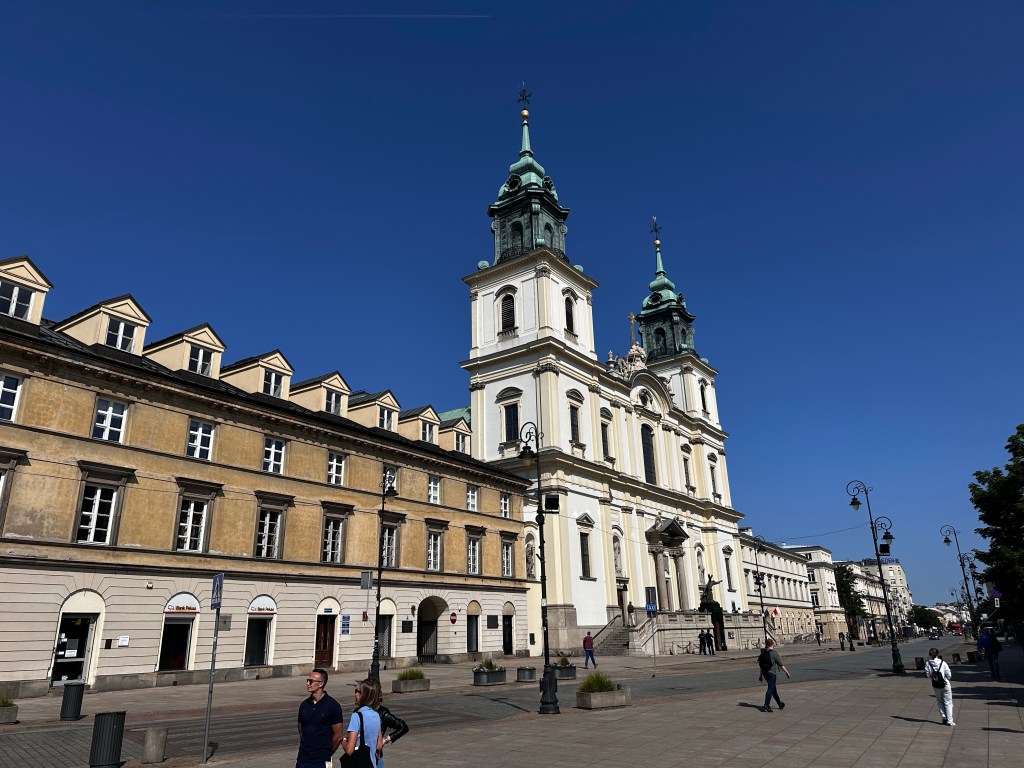
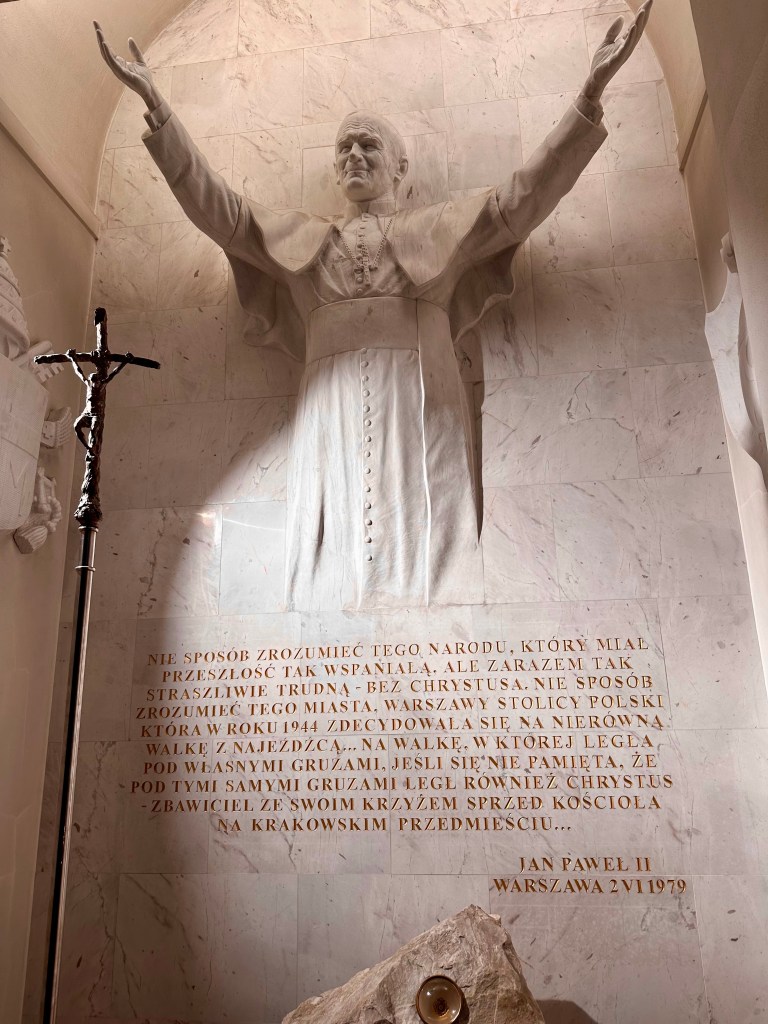
We stopped into Holy Cross church and I lit a candle for Mom and Aunt Pat in front of the Sacred Heart alter.

The Jewish Experience in Warsaw

On Sunday we went spent the majority of the day learning about the Jewish people of Poland—from the earliest immigration from Germany, through the horrors of the Holocaust, to the present-day efforts to preserve their culture and memory. We visited the POLIN Museum of the History and afterwards saw a portion of the actual ghetto wall. Horrifying.

A Salute to Ukraine

After a listening and learning about the wars this country has suffered we had the privilege of having a private Ukrainian dinner in our hotel. The owner of the hotel spoke to us about how Poles opened their houses and hearts to refugees to help their neighbor. They had complete empathy for those that are suffering what they themselves did. He had families living at the hotel that became workers and sang for us and spoke about the ongoing war in Ukraine. Their stories were raw and real, filled with resilience. We all stood when they played the Ukrainian national anthem in solidarity.
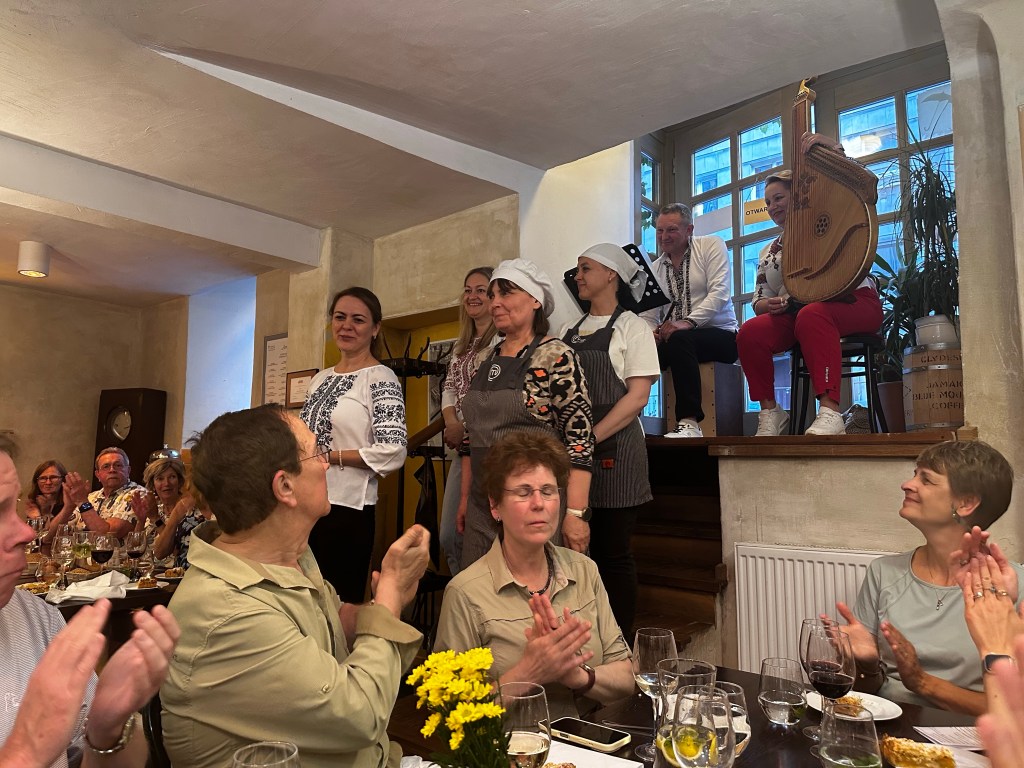
I leave Warsaw with a fuller heart—and a deeper understanding of what it means to endure, rebuild, and keep singing.

To Warsaw

Toward the Capital, with Stories Along the Way

Second Sighting

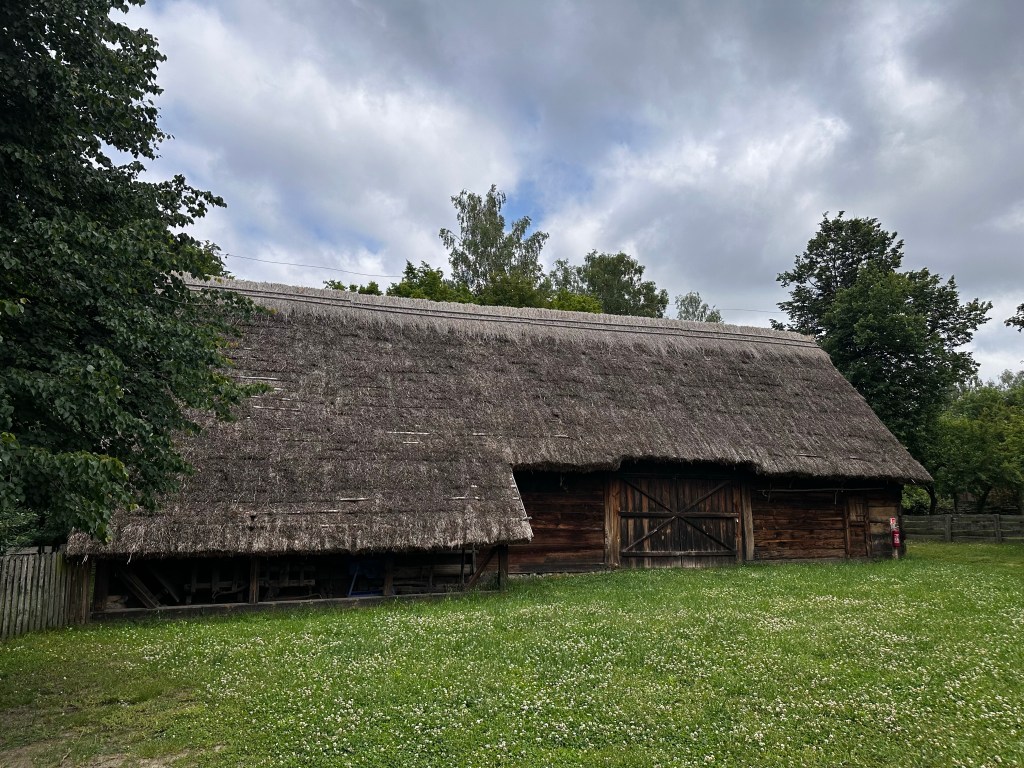
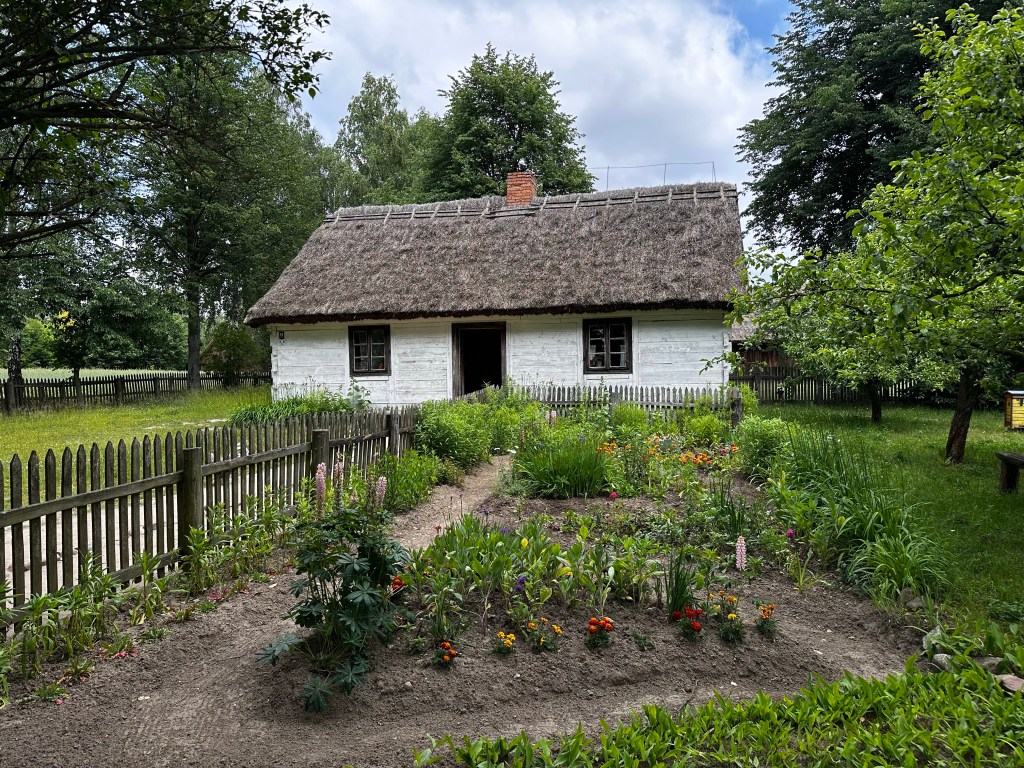
On the road to Warsaw we stopped at an open air museum to experience a rural community in Sierpc. It was important to see since the majority of Poland is fields and farms. The word “pole” in Old Slavic refers to a field or open land, suggesting that the Polans were associated with the flat, agricultural landscape of the region.

Before boarding for Warsaw, Tomasz our guide treated us to a tasting of Goldvasser. I really think he wanted everyone to take a nap to make the drive go by faster.

Before the nap he shared some information on family life.

• Generous family support: A one-time $1,250 grant for newborns, $200 monthly child benefit until age 18, and a full year of paid maternity leave—plus two more years with full insurance coverage.

• Multigenerational households: Grandparents, parents, and children often share a home in the countryside, with strong family ties and shared responsibilities.

• Education: Begins at age 7 with strong public schools, and a tracked high school system that pushes students to choose their academic paths early. University education? Free.

• Healthcare: Theoretically universal, but practically overburdened—giving rise to a parallel system of private care.

• Retirement: Women retire at 60, men at 65—acknowledging, perhaps without saying it, the unpaid labor women often carry.

• The national pride in homeownership (84%!) stems from a post-communist policy where people could buy the homes they lived in for a fraction of their value. It was a rare, sudden opportunity to own—and most people took it.

• Over 20 million poles live outside of the country and surprise surprise The biggest place where poles live is United States around 10 million. The biggest Polish US city and is the second largest Polish city in the world only Warsaw more Polish people live in Chicago.

• 86% Catholic, which is quite a percentage, but what is also interesting at 13% unspecified who are ones that were born and raise Catholics, but that’s certain point kind of decided to stay away from religion.

Poland is not so much none for its cuisine. Here, the diet is simple, natural, and meant to fuel a hardworking life. No processed foods.

Speaking of :

We arrived in Warsaw and you guessed it, out for a traditional dinner:

Pierogi: 4

Wozniak sighting : 2 – see pics above!

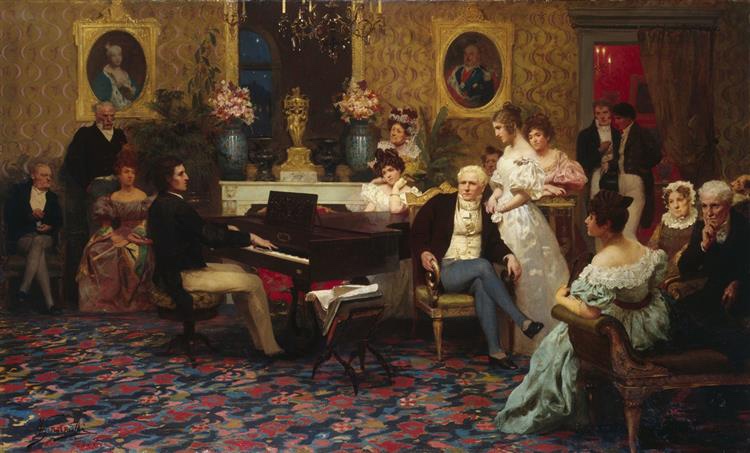
Frédéric Chopin

Famous composer was born here and after dinner we were treated to a private concert featuring his music in the hotel salon.

Touring Turon,a Castle, and a Pierogi Key Ring

On Thursday, we left Gdansk and headed to Turon.

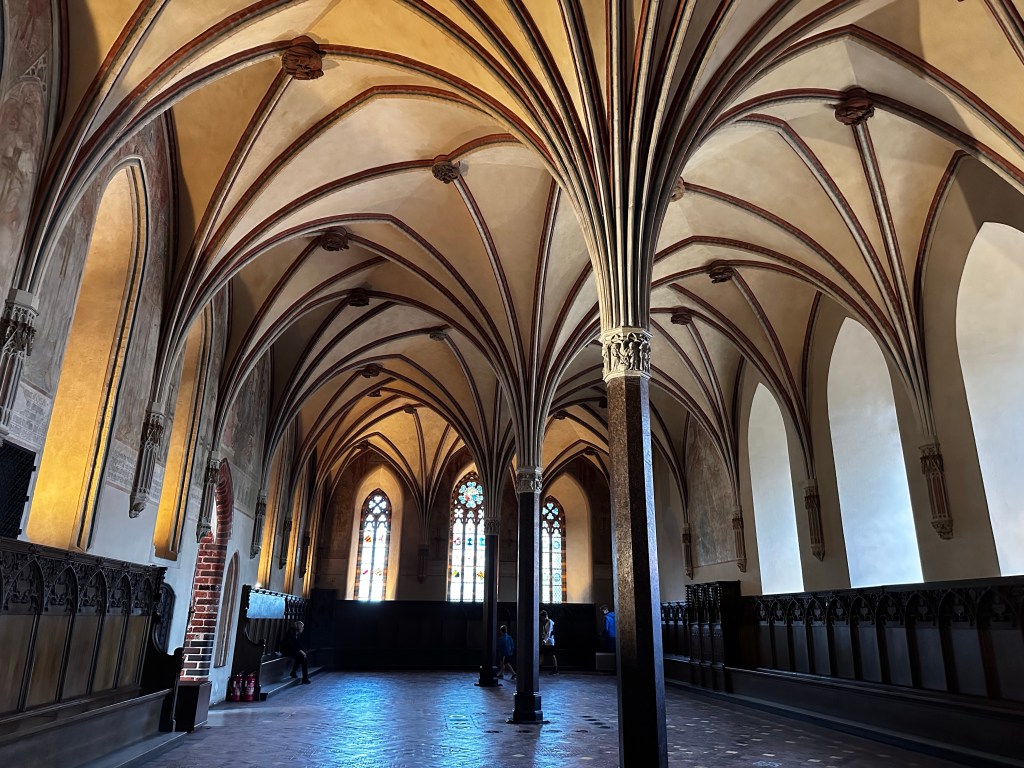
First stop the Malbork Castle.

It’s the largest brick castle in the world and once housed the kings of Poland—walking through it felt like stepping into a medieval time machine.

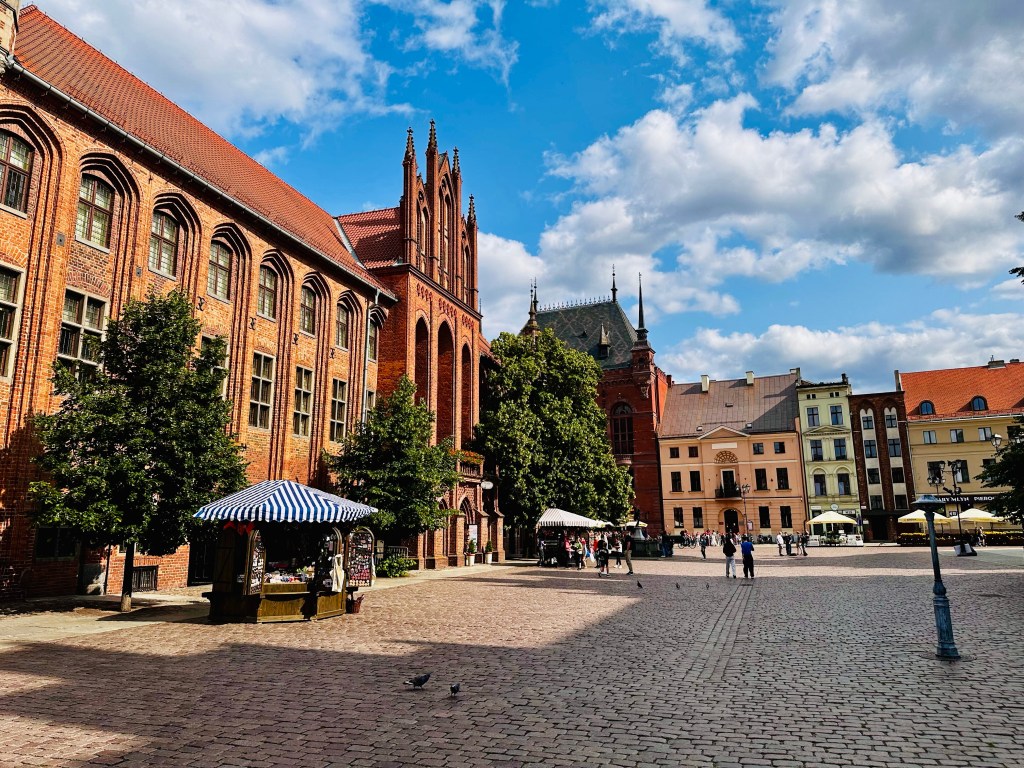
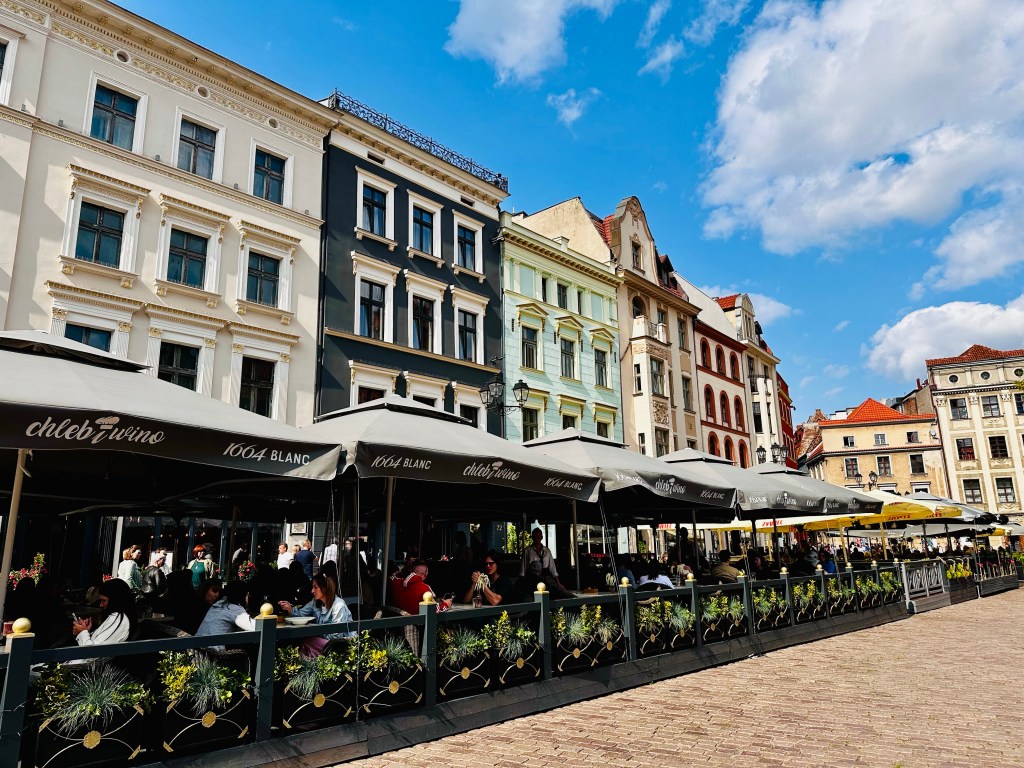
After lunch of traditional Polish food we headed to Turon. It is one of Polands best kept secrets. It is this little town full of quiet, everyday Polish life. Think cobbled streets, local bakeries, and not a single Starbucks in sight.

It is unique in that it is the only town that survived the destruction of WW2 so it had real Gothic architecture and nothing rebuilt.

I stayed at Hotel Solaris, right in the heart of the old town. Super cozy, old world charm and actual Skelton keys to open your door.

What really struck me? 90% of the tourists were Polish. It was a town for locals, by locals. There was not very much tourist traps except maybe the pierogi key ring I bought at a souvenir stand. LOL

Come on, how can you resist.

Pierogi vs Wozniak Count:

Pierogi 3: Had them for dinner again including strawberry ones with fresh cream.

Wozniak 1: no sightings on this part of the trip.

In Search of Me and My Family

My Grandfather is top right.

June 10 -11. I made it to Poland. It has been a trip in the making for years, and, when I say years I mean decades. I grew up my entire life celebrating holidays with polish traditions. Making pierogi, celebrating Vigilia, conking eggs, dressing up for school projects, getting baskets of food blessed at Sacred Heart, and most importantly listening to my dziadkowie (grandparents) and father talk in polish when little.

My grandfather and all great grandparents were born here. We have pictures, documents, passports, news paper clippings and immigration information. It is now a matter of connecting all it to complete the family tree. This trip is just the start of that search with a tour of this country starting in Gdansk.

Witam to Gdansk

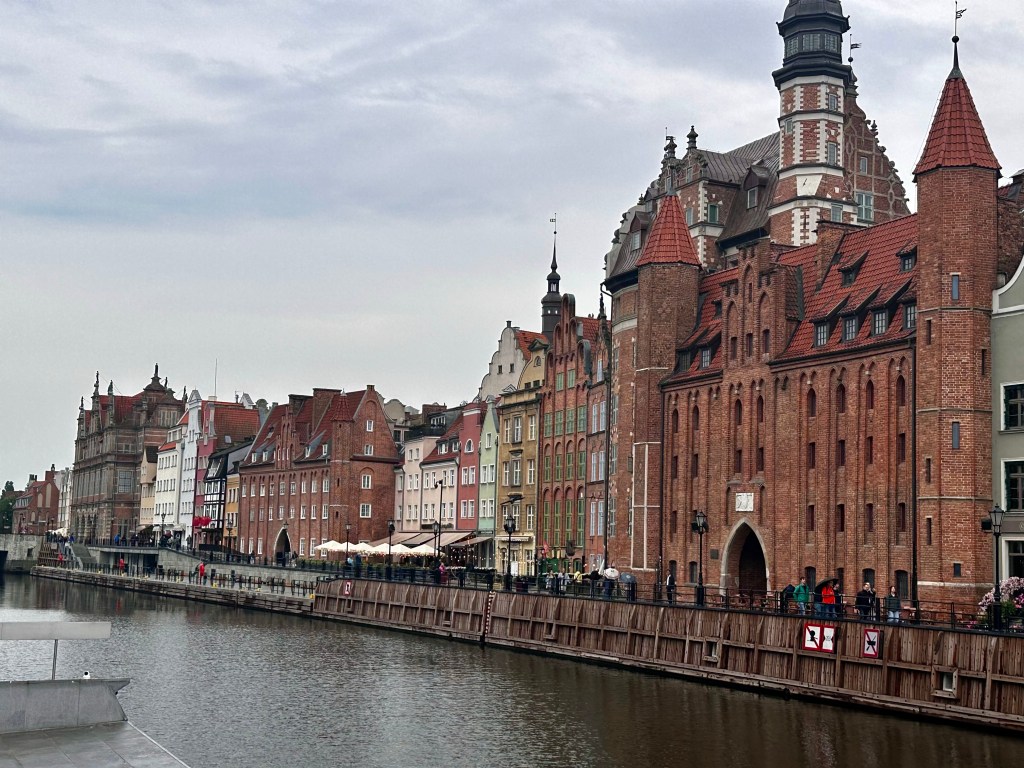
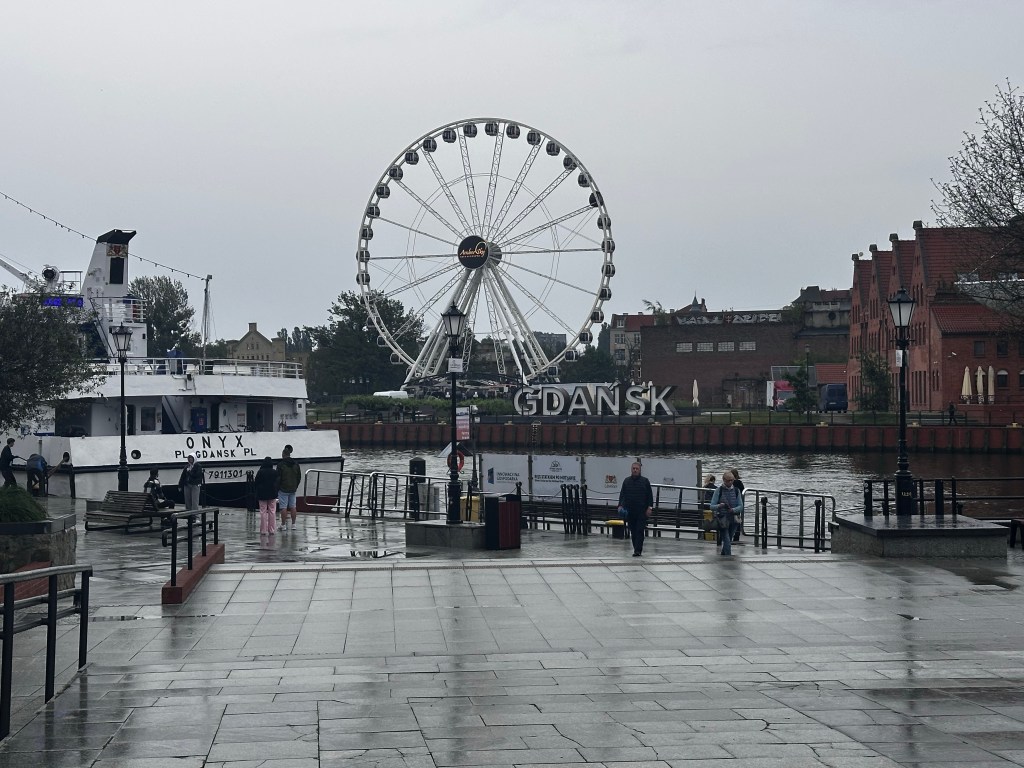
Our hotel was just steps away from the Motława River where on both sides is filled with shops and restaurants. One side built up over 8 years ago. I am in awe of the growth of this city given that 85% of it was completely destroyed in the WW2.

After the war vs today.

We walked the cobblestone streets of Old Town filled with Gothic churches and medieval gates, and reconstructed buildings in its original style

Where WWII Began

Here’s something wild: World War II actually began in Gdańsk, or just outside it, at a place called Westerplatte. On September 1, 1939, German forces fired the first shots of the war here.

The Birthplace of Solidarity

But Gdańsk isn’t just where war began and lost its freedom but also where it started to get it back.

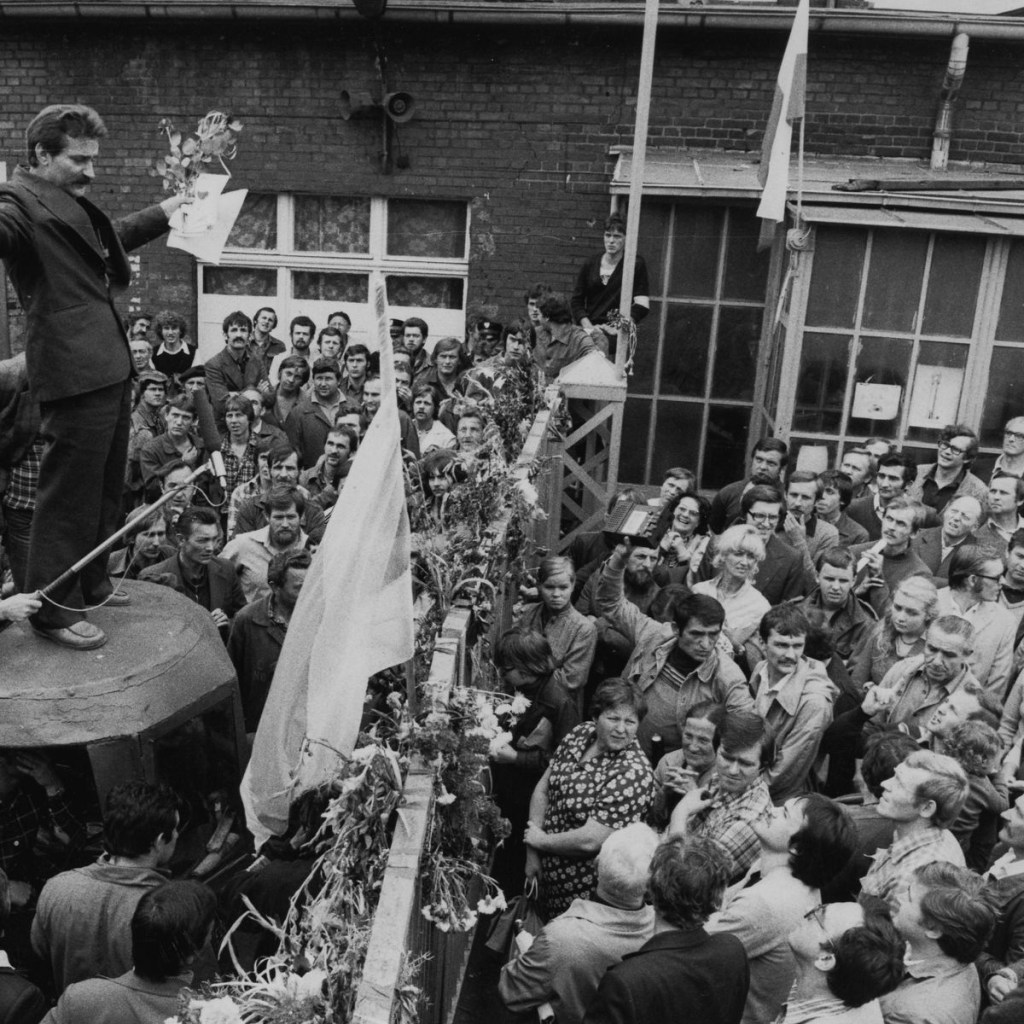
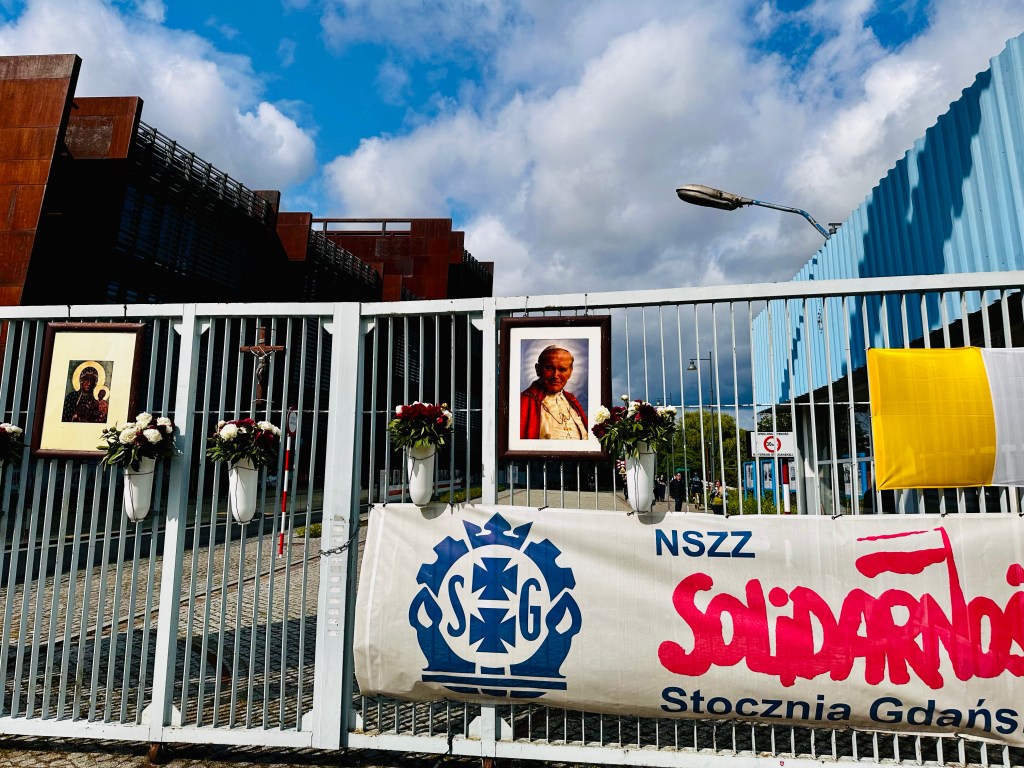
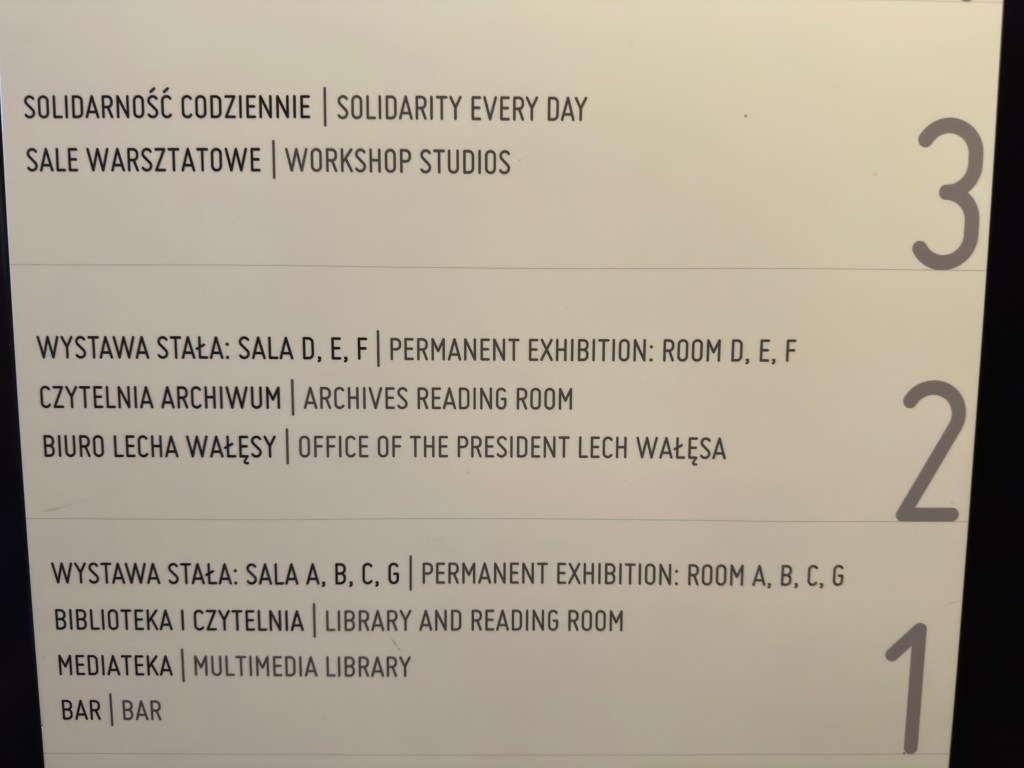
In 1980, workers at the Lenin Shipyard went on strike, demanding better conditions and political reforms. Led by Lech Wałęsa, these weren’t just protests—they sparked the Solidarity movement (Solidarność), the first independent trade union in the Soviet Bloc.

The strike inspired millions across the country, and eventually led to negotiations that helped end communism. Of course the Soviet’s induced Marshall law in 1981- 1989 and once again under communist rule designated the country.

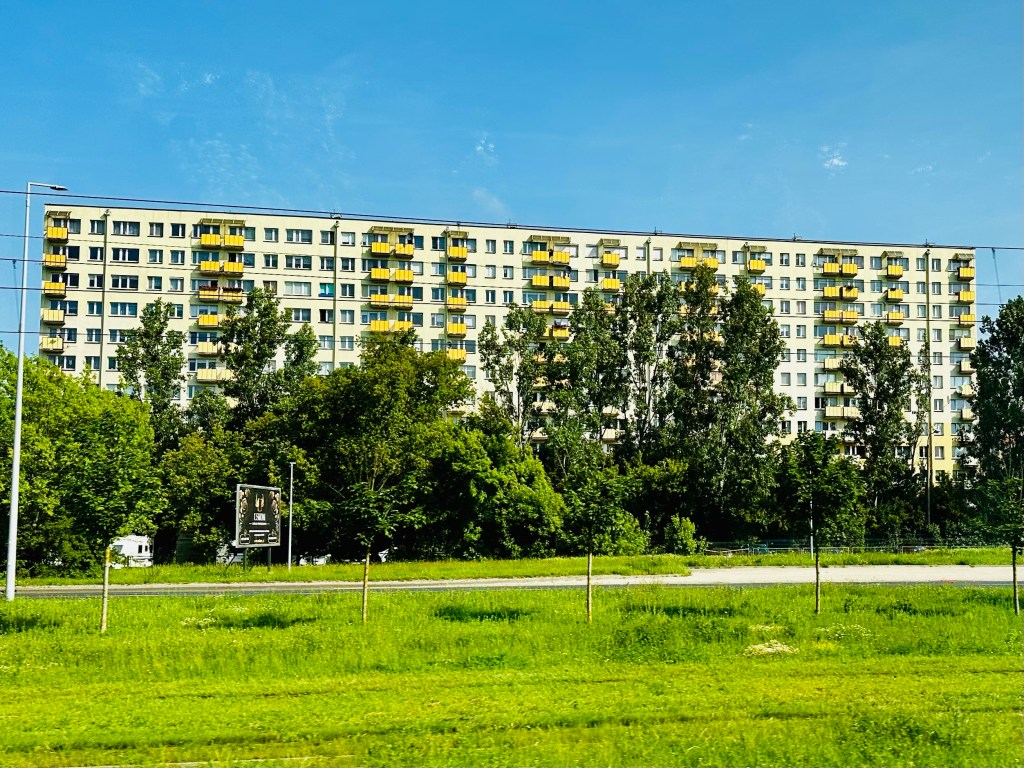
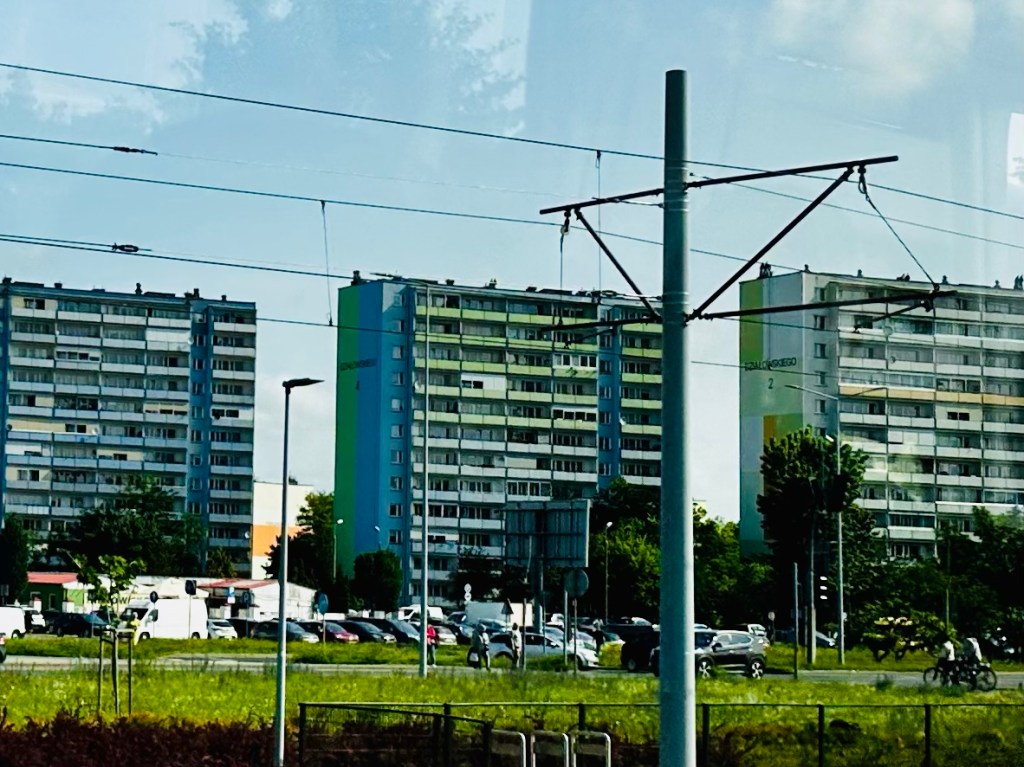
Think about it, it has only been since 1989 that this country has been a free nation. Our guide remembers the long bread lines and cannons in the streets. The acts of the soviets are still visible. Blocks of cement apartment buildings which were erected for citizens are everywhere. They have since started to paint them colors to slowly erase the memory.

Pierogi, Vodka, Wozniak and Other Small World Encounters.

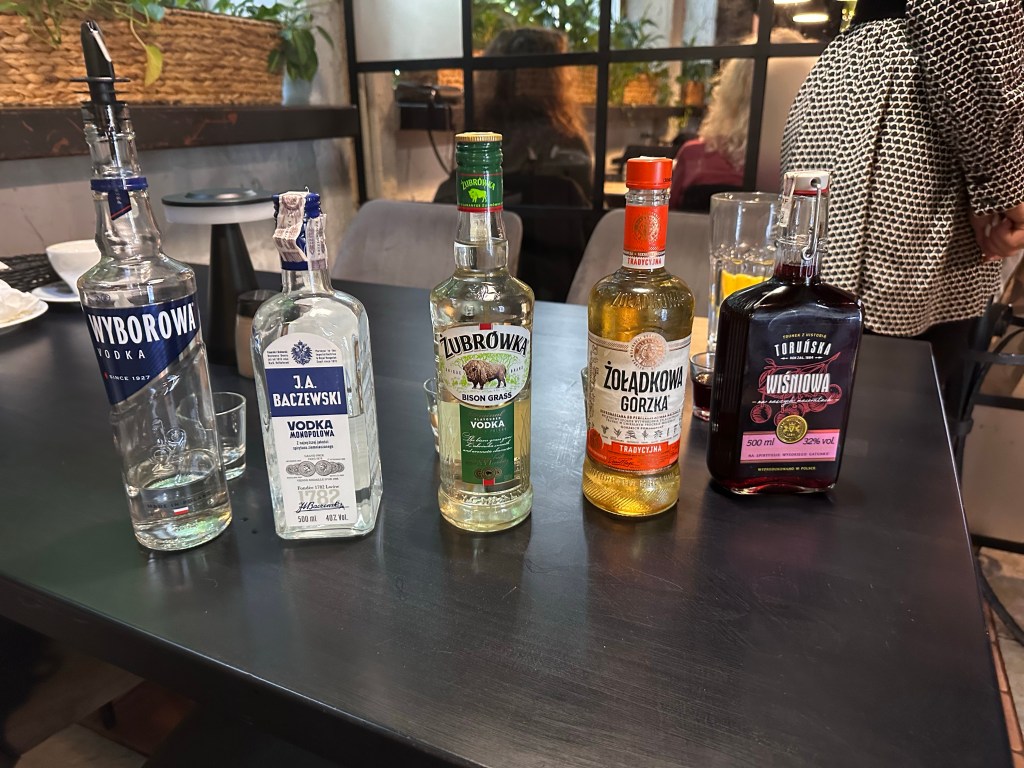
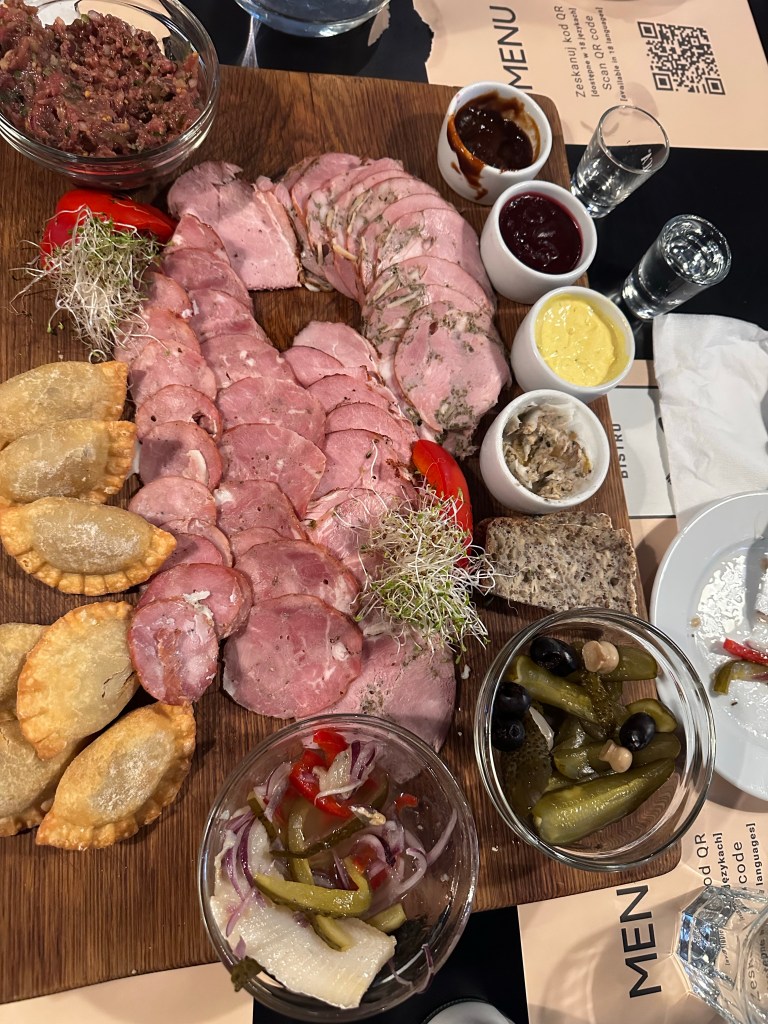
On to more fun things. We ended our night with a vodka tasting and a Polish charcuterie board complete with Platki. I thought I was having brunch at home!

Our guide who is from Krakow informed me that Rochester is the sister city of Krakow and because of this spent a year as an exchange student going to Gates Chili High School.

Let’s Keep Score

Wozniak sighting: 1 The receptionist at the hotel was a Wozniak

Pierogi eating 2: For lunch and on the charcuterie board.